

The psychology behind risks Understanding the allure of gambling Leave a comment
The psychology behind risks Understanding the allure of gambling
The Thrill of Uncertainty
The allure of gambling often lies in the unpredictable nature of risk. Humans are naturally drawn to uncertainty, as it injects excitement into the mundane routines of daily life. In gambling, this uncertainty manifests as the unknown outcome of a game, such as the roll of dice or the spin of a slot machine. This unpredictability activates the brain’s reward system, flooding it with dopamine—the neurotransmitter responsible for pleasure and reinforcement. The anticipation of a win creates a thrilling roller coaster of emotions, making the experience exhilarating. For instance, many find themselves exploring slotzania-casino.com to experience that unpredictability firsthand.
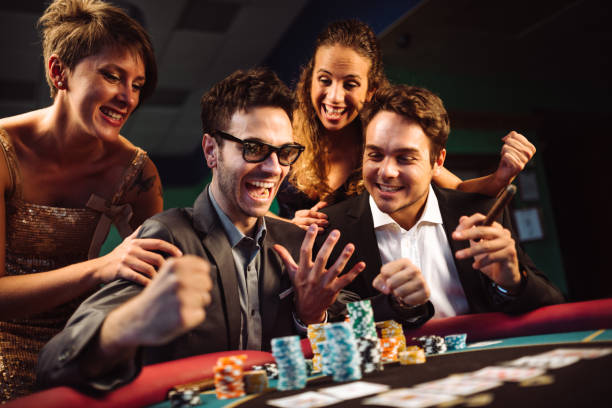
Moreover, the psychological concept of variable rewards enhances this thrill. When players experience intermittent reinforcement, such as winning a small amount after several losses, it reinforces their behavior, creating a compulsion to play more. This phenomenon is often compared to gambling machines, where the sporadic nature of rewards keeps players engaged. Thus, the thrill of uncertainty doesn’t just attract gamblers; it binds them in an enticing loop of risk and reward.
Ultimately, understanding how the thrill of uncertainty draws individuals into the gambling world is essential for addressing the broader implications of gambling behavior. As more people become aware of their attraction to risk, responsible gambling practices can be better advocated. This awareness is crucial in promoting a balanced approach to engaging with games of chance while navigating the fine line between entertainment and addiction.
The Role of Cognitive Biases
Cognitive biases play a significant role in the way gamblers perceive risk and reward. One prominent bias is the illusion of control, where individuals believe they can influence the outcome of a game, even in situations governed entirely by chance. This belief leads players to make irrational decisions, such as betting larger amounts or playing longer than they initially intended. The feeling of control, however misplaced, can make the experience more enjoyable, reinforcing the desire to gamble.
Another cognitive bias prevalent in gambling is the gambler’s fallacy. This bias manifests when players believe that past outcomes influence future events, leading them to think that a win is “due” after a series of losses or vice versa. This fallacy can cause individuals to chase losses, further intensifying their gambling habits and perpetuating the cycle of risk-taking behavior. By understanding these biases, players can become more aware of the psychological traps that accompany gambling.
The impact of cognitive biases extends beyond individual gamblers; it also has societal implications. As these biases influence behavior, gambling industries adapt their strategies to exploit these psychological tendencies. For example, casinos employ various tactics to create a stimulating atmosphere, from vibrant lights to upbeat sounds, designed to engage players and enhance their cognitive biases. Understanding these effects can empower players to make more informed choices while recognizing the potential traps laid by gambling establishments.
The Social Aspects of Gambling
Gambling is not solely an individual pursuit; it is often a social activity that enhances its allure. Many people enjoy the camaraderie that accompanies group betting or playing at casino tables surrounded by others. This social environment can amplify the excitement, as players feed off each other’s energy and collective hope for big wins. Sharing these experiences can deepen bonds between friends and family, making the activity more enjoyable and less isolating.
Furthermore, social validation plays a critical role in gambling behavior. When individuals witness friends or family winning, they may feel compelled to participate, driven by a mix of peer pressure and the desire for social acceptance. This dynamic can often lead to a sense of belonging within a community of gamblers, wherein members celebrate wins together and empathize with losses. Such connections can create a robust support system, but they can also encourage excessive gambling as individuals strive to fit in.
The integration of social elements in gambling has evolved with technology, particularly with online casinos and social gaming platforms. Players can now engage with others in virtual environments, heightening the thrill of risk-taking. Social media further enhances this aspect by allowing individuals to share their experiences and victories, often glamorizing gambling in the process. Understanding the social dynamics of gambling helps to elucidate why many are drawn to this world, despite its potential dangers.
The Emotional Rollercoaster of Gambling
The emotional experience of gambling is multifaceted, often resembling a rollercoaster ride of highs and lows. The rush of a win can lead to euphoria, whereas losses can result in disappointment or frustration. This emotional fluctuation is one reason why individuals return to gambling, as they chase the highs while hoping to alleviate the lows. The quest for that next big win can become an emotional refuge, providing a temporary escape from the stresses of daily life.
However, this rollercoaster effect can also lead to dangerous patterns of behavior. As players chase wins or try to recover losses, they can fall into a cycle of risky decision-making. This emotional connection to gambling often blinds individuals to the consequences of their actions, causing them to overlook the financial and personal costs associated with their habits. Recognizing these emotional factors is crucial for those seeking to engage in responsible gambling practices.
The emotional aspects of gambling are often downplayed in discussions surrounding the subject, yet they remain at the core of why many people are attracted to this activity. By acknowledging the emotional rollercoaster of gambling, we can foster more empathetic conversations about addiction, recovery, and the importance of setting boundaries while engaging in such a risk-prone environment.

Exploring Slotzania: A Safe Gaming Environment
For those intrigued by the allure of gambling but wary of its risks, Slotzania provides a secure and engaging platform. As an online casino that opened in 2026, it offers over 3,000 games, including slots, live tables, and crash titles, catering to a diverse range of preferences. With a flexible welcome bonus and fast, crypto-friendly payments, Slotzania aims to ensure a seamless user experience while prioritizing player protection.
The platform also emphasizes responsible gaming by implementing robust security measures and offering a VIP program for loyal users. Continuous support is available through 24/7 customer service, ensuring players feel cared for as they explore the exciting world of online gaming. This commitment to player safety and satisfaction reflects Slotzania’s mission to create a thrilling yet responsible gambling environment.
In a market saturated with choices, Slotzania distinguishes itself by focusing on user experience and player welfare. By understanding the psychological underpinnings of gambling, the platform invites players to enjoy the thrill while being mindful of their choices. Thus, Slotzania serves as a testament to how technology and awareness can harmoniously align to provide a captivating yet safe gambling experience.

